Adabe Font for Web Design
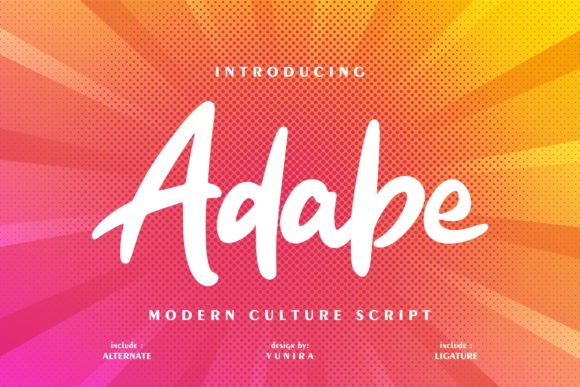
Adabe is a trendy and bold handwritten font that brings a dynamic flow to digital design. As a script handwritten font, it offers a unique balance of personality and legibility, making it ideal for web designers and UI creators looking to add character without sacrificing clarity.
Adabe for Website Headers and Hero Sections
Adabe excels in website headers and hero sections where visual impact matters most. Its flowing strokes and confident weight make it perfect for headlines that demand attention. When used as a display font, Adabe can set the tone for a brand’s online presence, whether it's a creative portfolio or a boutique e-commerce site.
For landing pages, Adabe adds an artistic flair that aligns with modern typography trends. It works well when paired with a simple sans serif font for body copy, ensuring readability while maintaining a cohesive design language. This combination helps guide users through content without overwhelming them.
Adabe for Call-to-Action Buttons and Short Phrases
Adabe is particularly effective for call-to-action buttons and short phrases that need to stand out. Its bold nature makes it ideal for buttons that require immediate visual hierarchy, such as "Get Started" or "Sign Up." However, it’s important to use it sparingly—too much text in Adabe can reduce readability, especially on mobile screens.
When designing small buttons or overlays, consider using a lighter weight of Adabe or a simplified version if available. This ensures the font remains legible against dark backgrounds or image overlays without losing its distinctive style.
Adabe for Online Store Banners and Branding
Online store banners benefit from Adabe’s expressive strokes, which can convey a sense of authenticity and creativity. Whether it's a seasonal promotion or a product highlight, Adabe adds a personal touch that resonates with customers. Its versatility allows it to work across different color schemes and layouts, making it a valuable asset for e-commerce branding.
As a script handwritten font, Adabe also supports brand identity by reinforcing a consistent visual language. For example, using it in logo text or social media graphics creates a unified look that strengthens brand recognition across platforms.
Adabe for Blog Headers and Content Sections
Blogs and content sites can leverage Adabe to create visually engaging headers that draw readers in. Its natural flow complements editorial designs, offering a contrast to more structured typefaces. When used for section headings, Adabe can enhance the rhythm of a page, making it easier for users to scan and engage with the content.
However, it's best to avoid using Adabe for long paragraphs. Instead, pair it with a clean serif or sans serif font for body text to maintain readability. This approach ensures that the design remains accessible while still feeling fresh and modern.
Adabe for Creative Portfolios and Digital Product Displays
Creative portfolios and digital product displays often rely on strong visual storytelling, and Adabe fits seamlessly into this context. Its boldness makes it ideal for showcasing work in a way that feels both professional and artistic. Whether it's a designer’s name, a project title, or a tagline, Adabe adds a personal touch that sets the tone for the entire experience.
For digital product displays, such as course sales pages or SaaS landing pages, Adabe can be used to highlight key benefits or unique selling points. Its expressive nature helps communicate a brand’s personality while maintaining a polished aesthetic.
Adabe for Responsive Layouts and Mobile Screens
When designing for mobile screens, Adabe requires careful consideration to ensure it remains legible at smaller sizes. While its flow is visually appealing, overly intricate details may become unclear on low-resolution displays. To optimize for mobile, test Adabe at various breakpoints and adjust spacing or line height as needed.
On dark backgrounds, Adabe retains its clarity but may appear too heavy. In such cases, using a lighter variant or adjusting the contrast can improve readability. For light backgrounds, the font’s boldness stands out effectively, making it a strong choice for high-impact elements like headlines or promotional text.
Adabe for Logo Design and Brand Assets
Logos and brand assets benefit from Adabe’s distinct personality, which can help differentiate a brand in a competitive market. Its handwritten style gives a sense of craftsmanship and individuality, making it ideal for startups, creative agencies, or lifestyle brands looking to establish a unique identity.
When using Adabe for logos, consider how it scales across different mediums. Ensure that it remains recognizable in both large and small formats, and check for any alternative characters or ligatures that may affect its appearance in different contexts.
Adabe for Commercial Font Licensing and Web Use
Before integrating Adabe into a website or client project, verify the commercial font licensing terms. Most fonts include specific rights for web use, such as embedding via Google Fonts or using WOFF files. Confirm that the license covers all intended applications, including online stores, landing pages, and digital templates.
For web designers working on multiple projects, having access to a premium font like Adabe can streamline the design process. It eliminates the need to search for alternatives and ensures consistency across all brand assets, from website headers to social media graphics.